
35mm Film · Shot Alongside Digital
Film Wedding Photographer
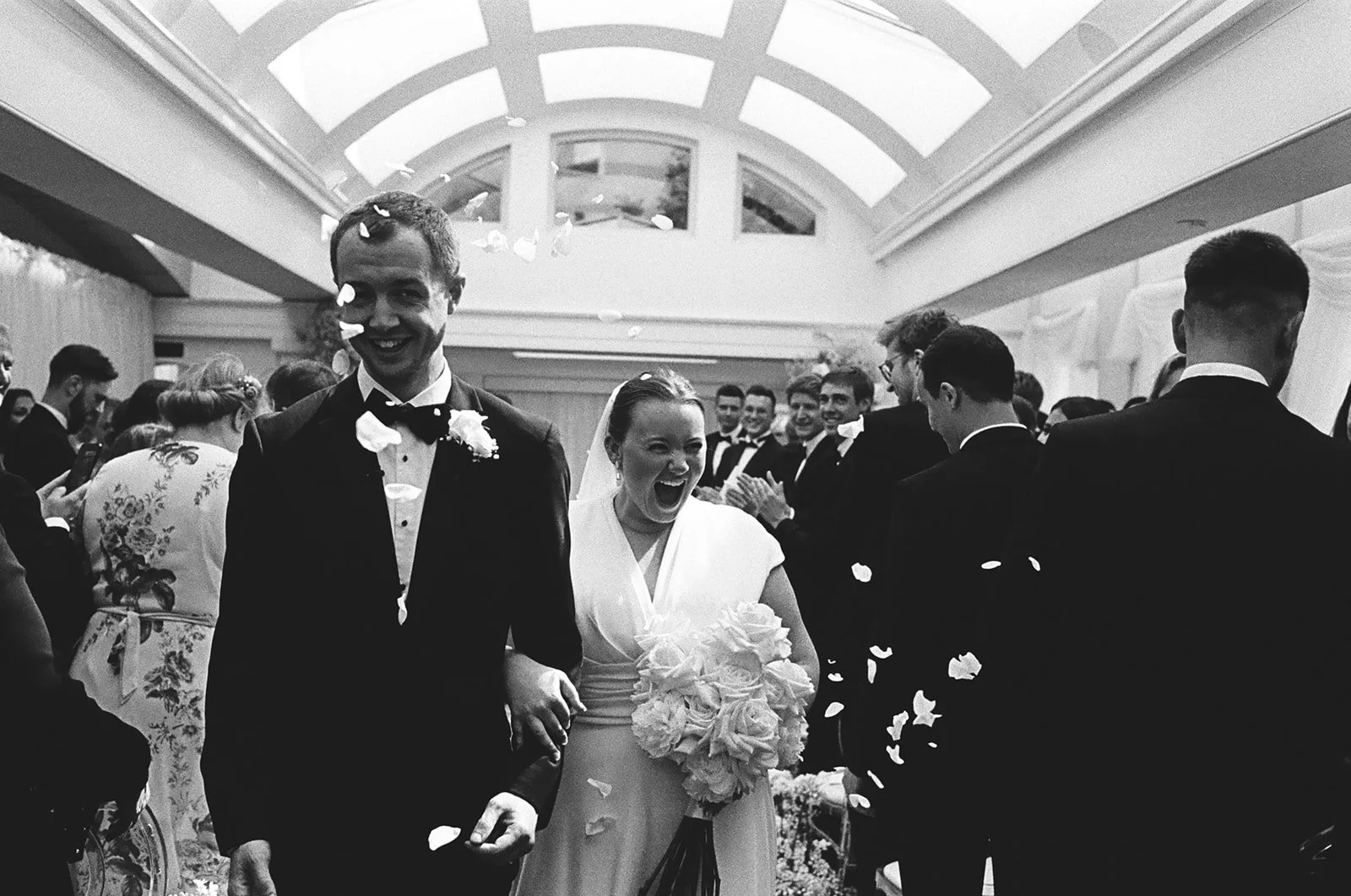
Documentary 35mm film wedding photography in London, Bristol and across the UK — Kodak Portra 400 and Fujifilm Neopan Acros, alongside your full digital gallery.
What it is
Film, shot alongside your digital gallery
I am a documentary wedding photographer based in Bristol, and I shoot 35mm film at weddings in London, Bristol and across the UK. Film is offered as an add-on to a full digital wedding day, never as a replacement for one.
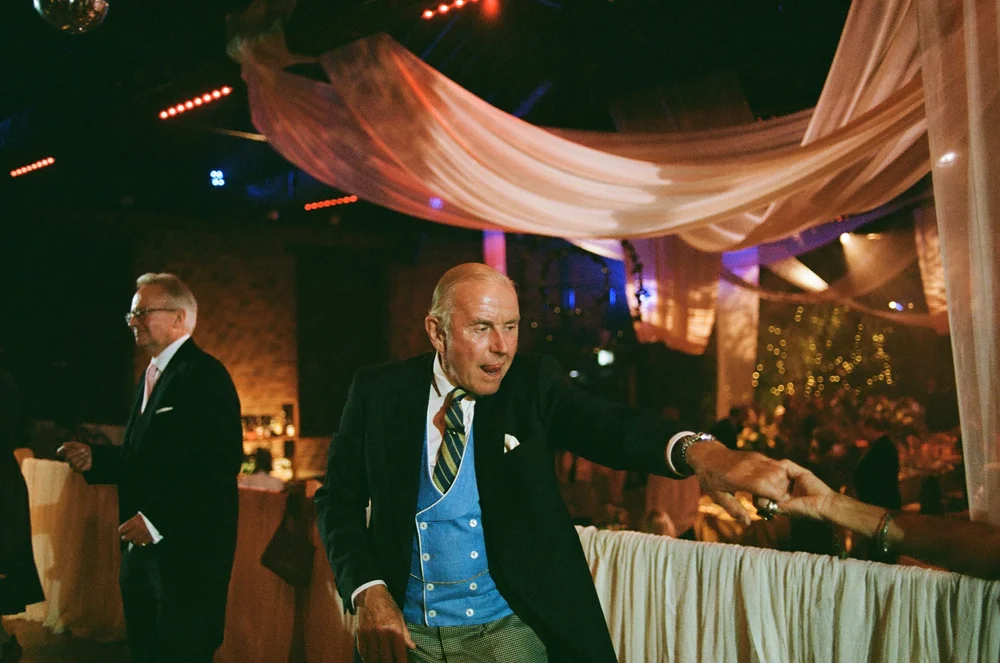
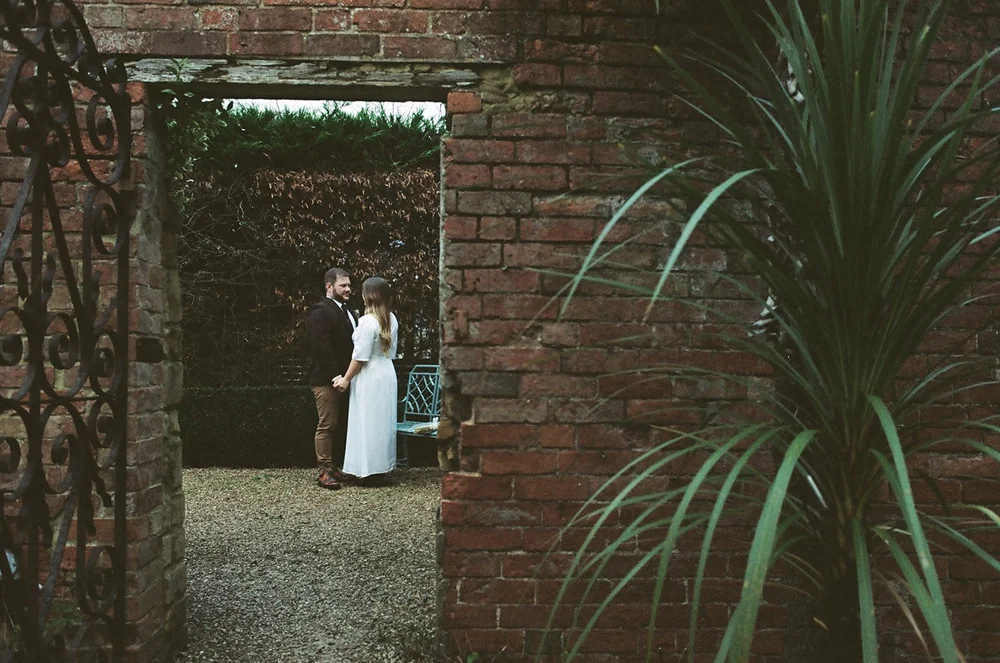
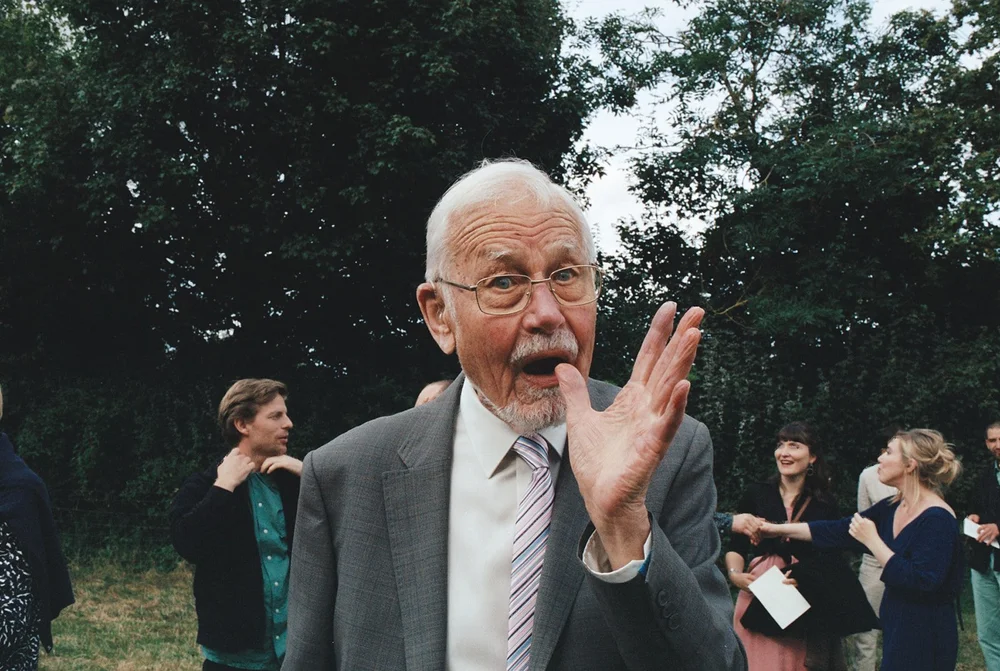
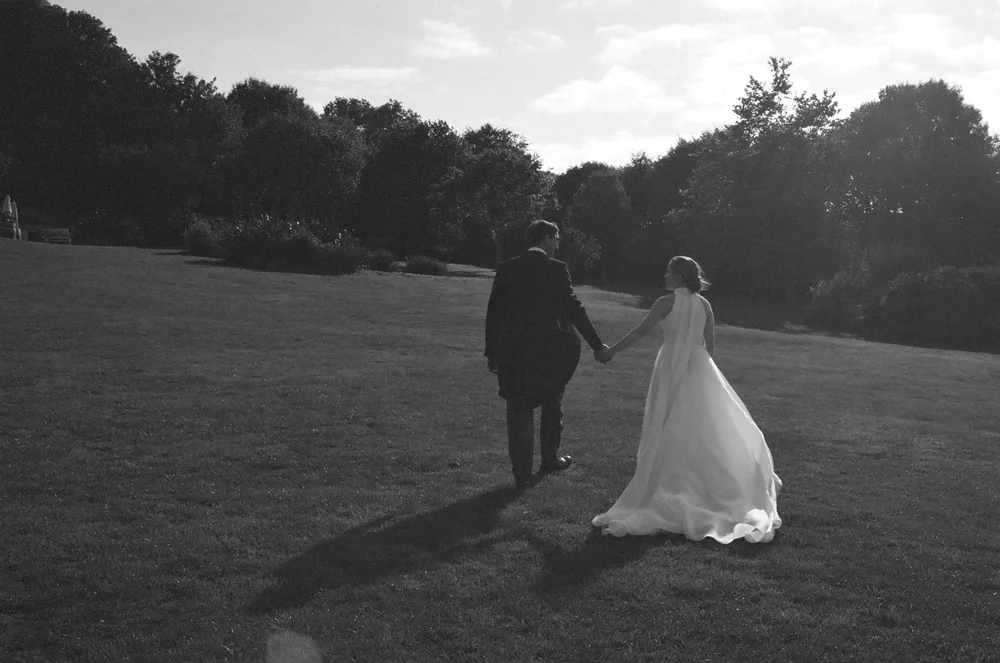
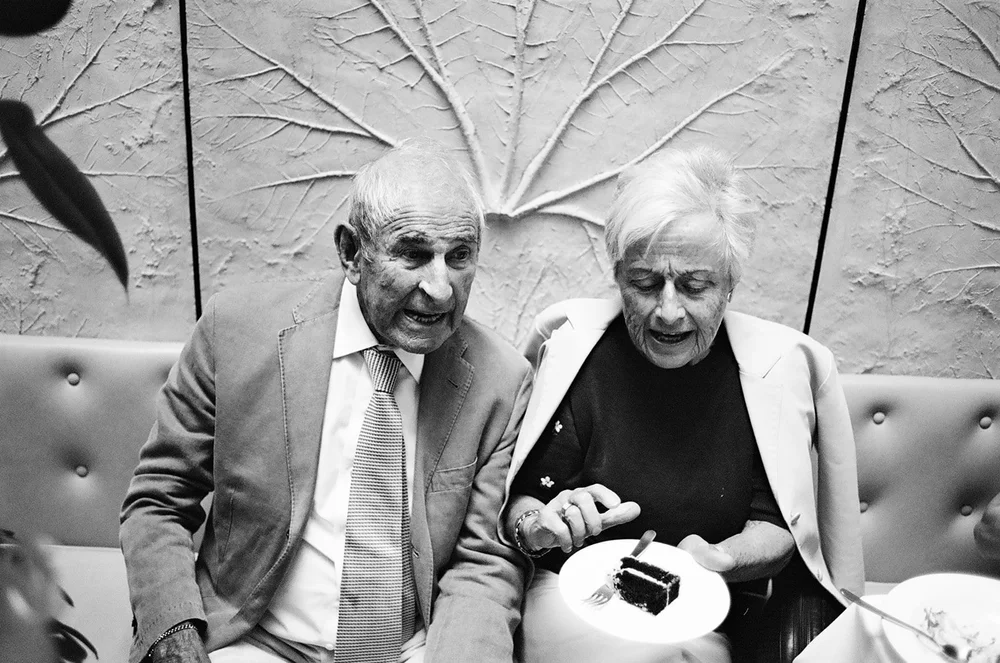
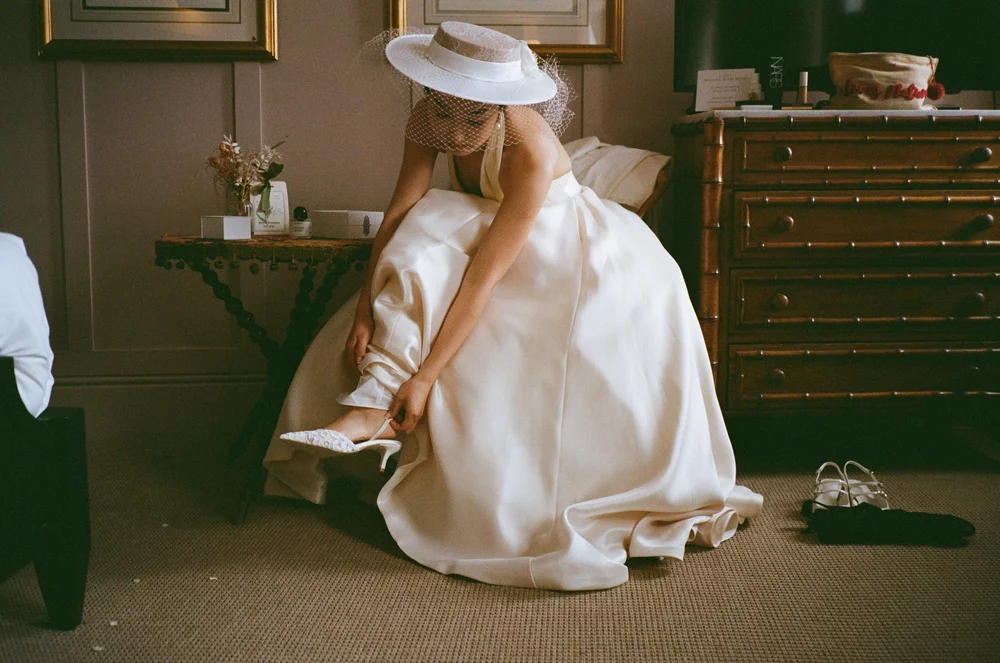
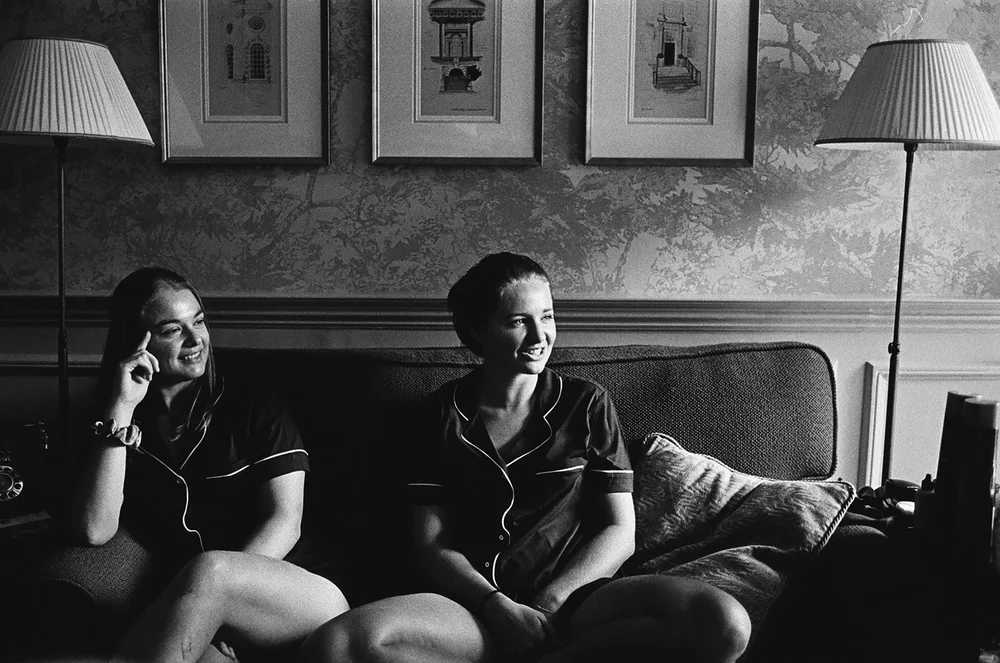
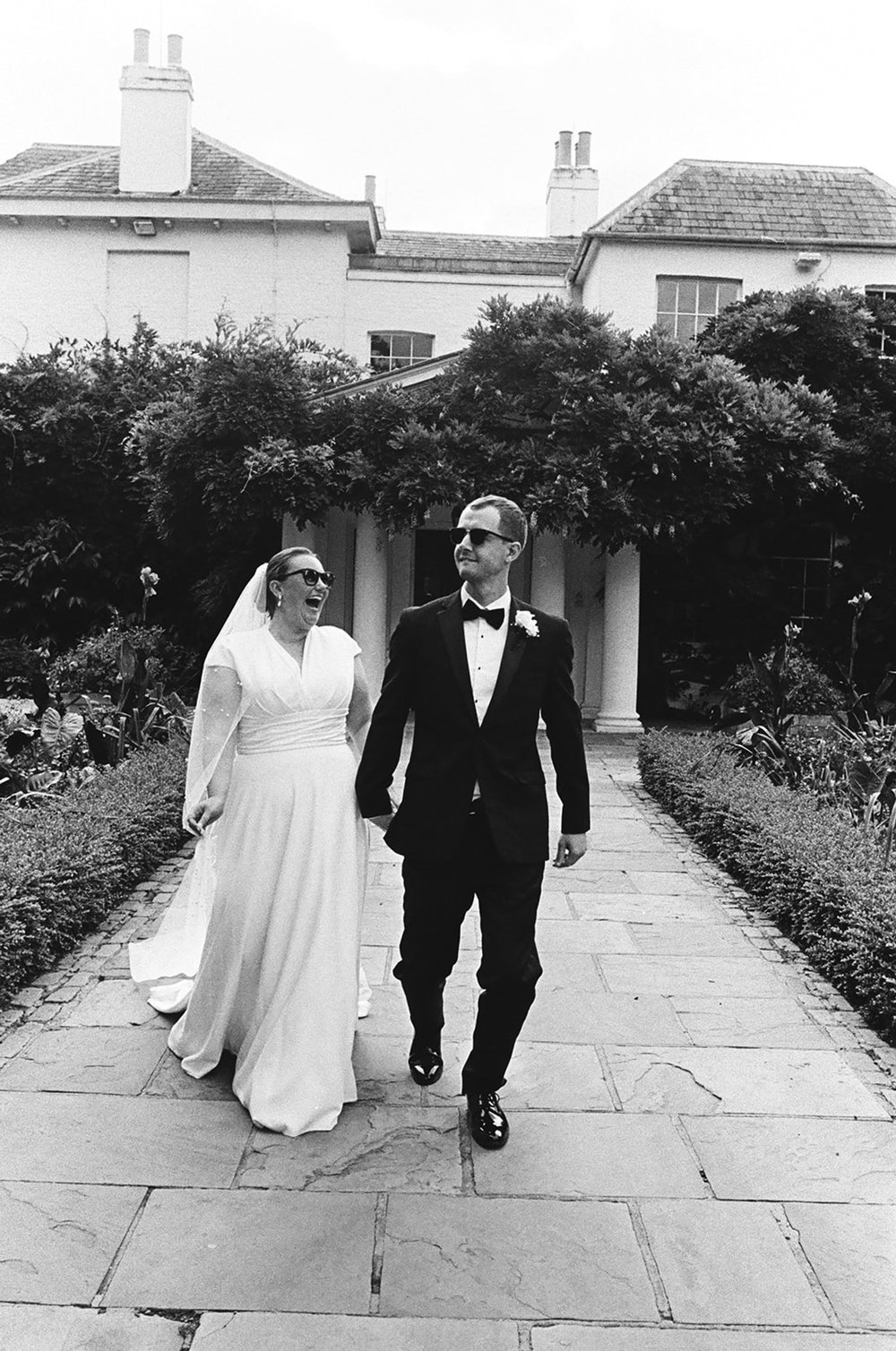
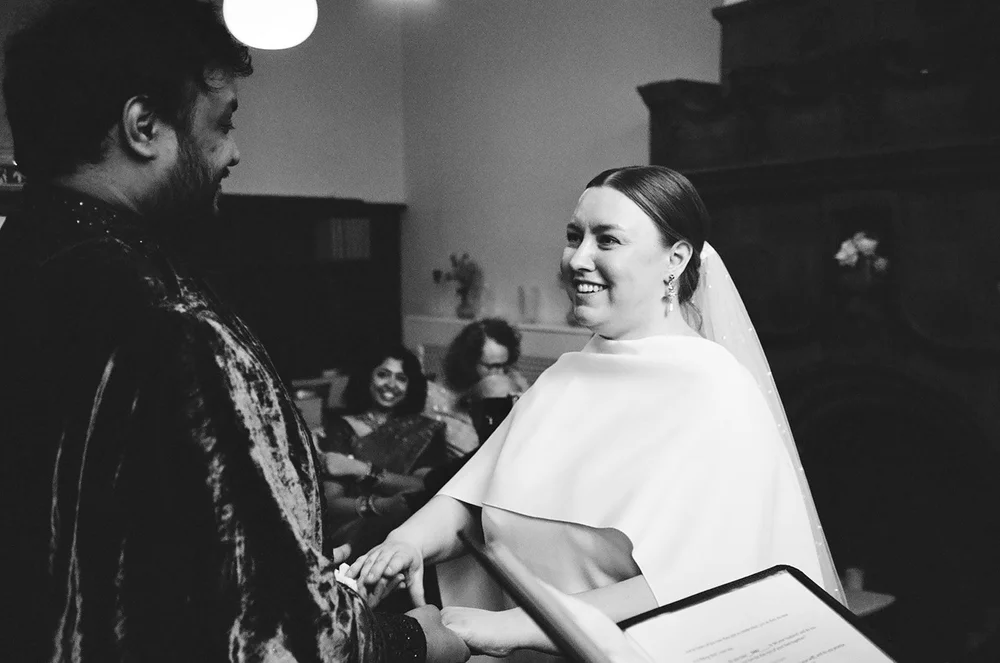
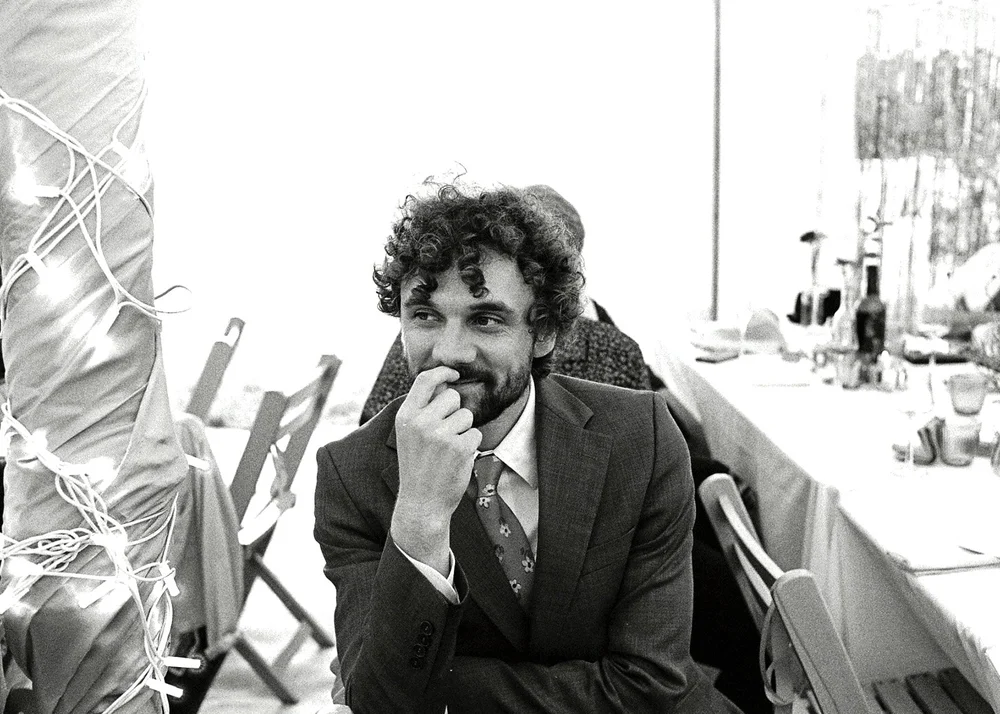
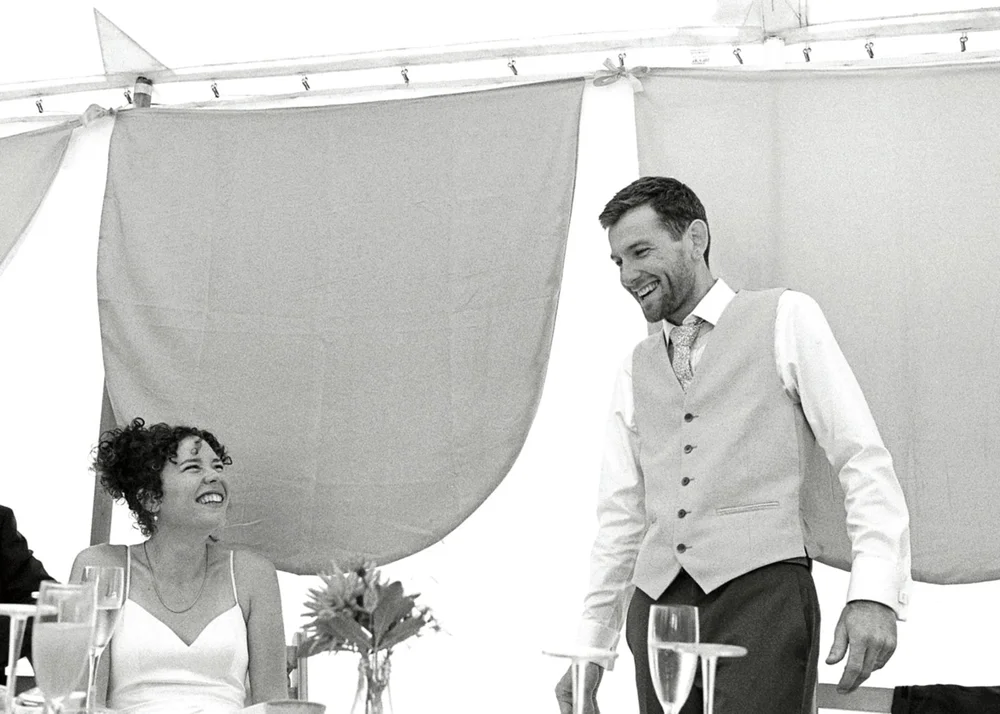
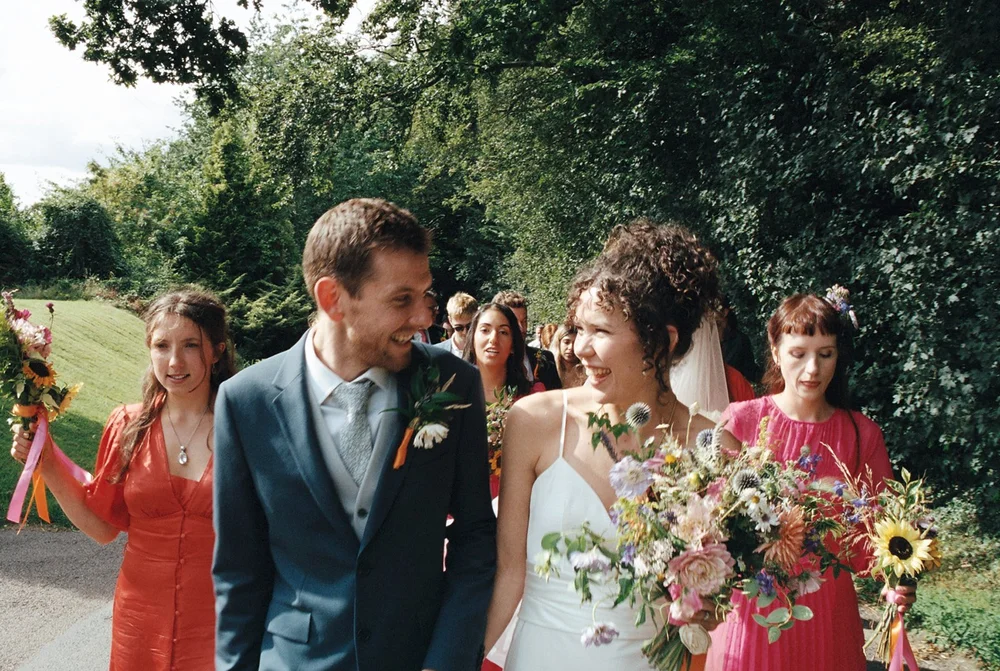
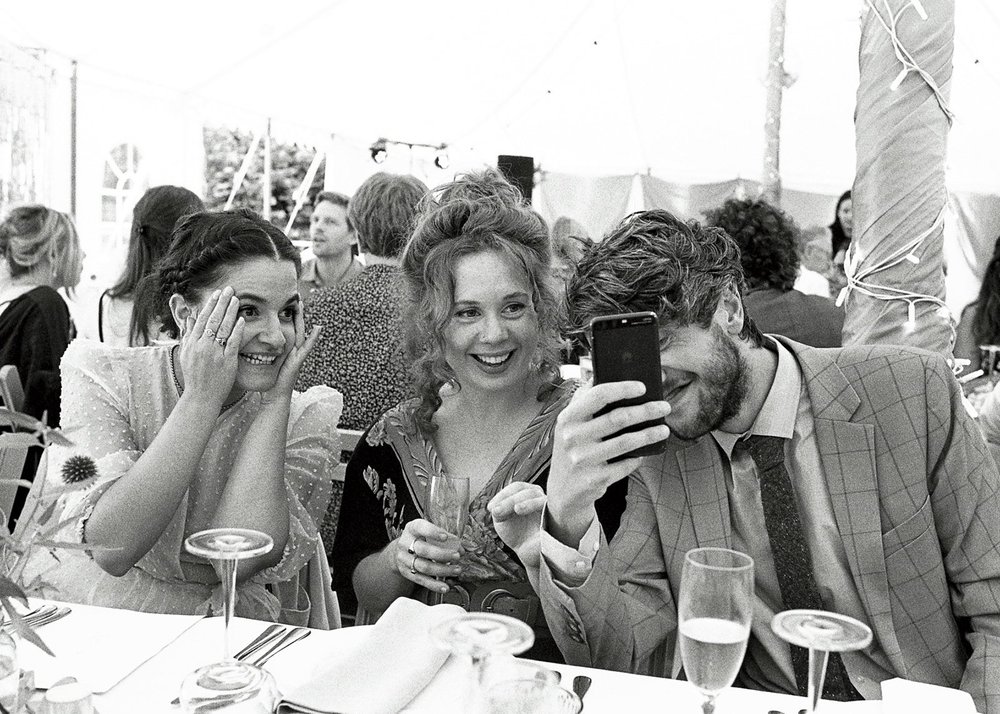
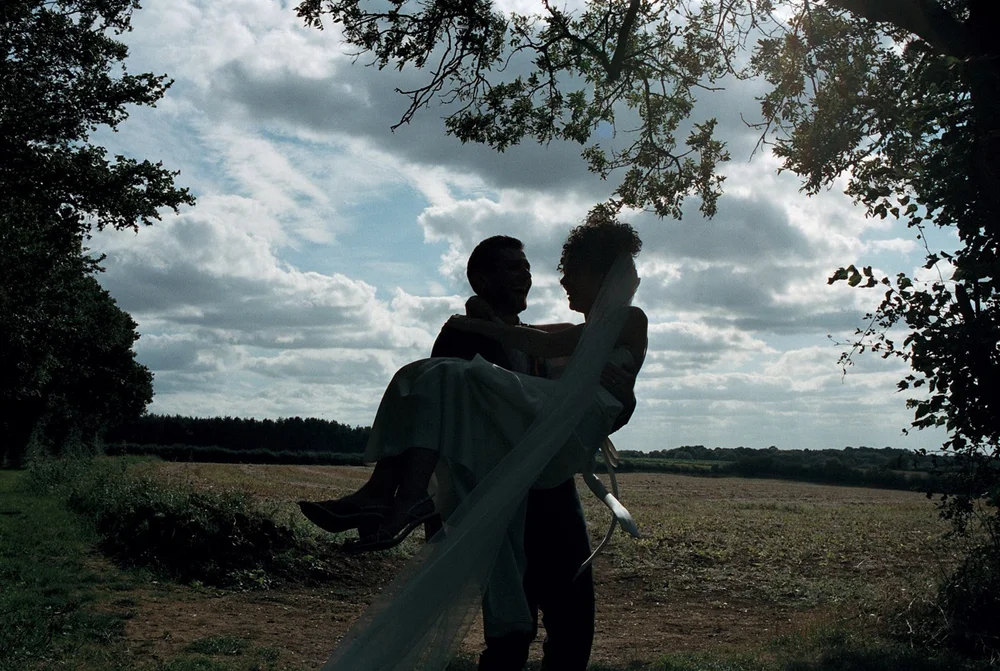
That distinction matters more than anything else on this page. You get your complete gallery of 400 to 600 digital images exactly as normal. The film frames arrive alongside it as a smaller, separate set with a completely different feel — grain, warmth, and a softness that no sensor and no preset has ever managed to fake. Most couples tell me the film images end up being their favourites of the whole set.
It also changes how I work. A roll holds 36 frames and there is no screen on the back of the camera, so every exposure is a decision rather than a reflex. You slow down. You wait. You watch the light instead of chimping at a histogram. That is a better way to photograph a wedding whether or not there is film in the camera.
The cameras
What I shoot film on
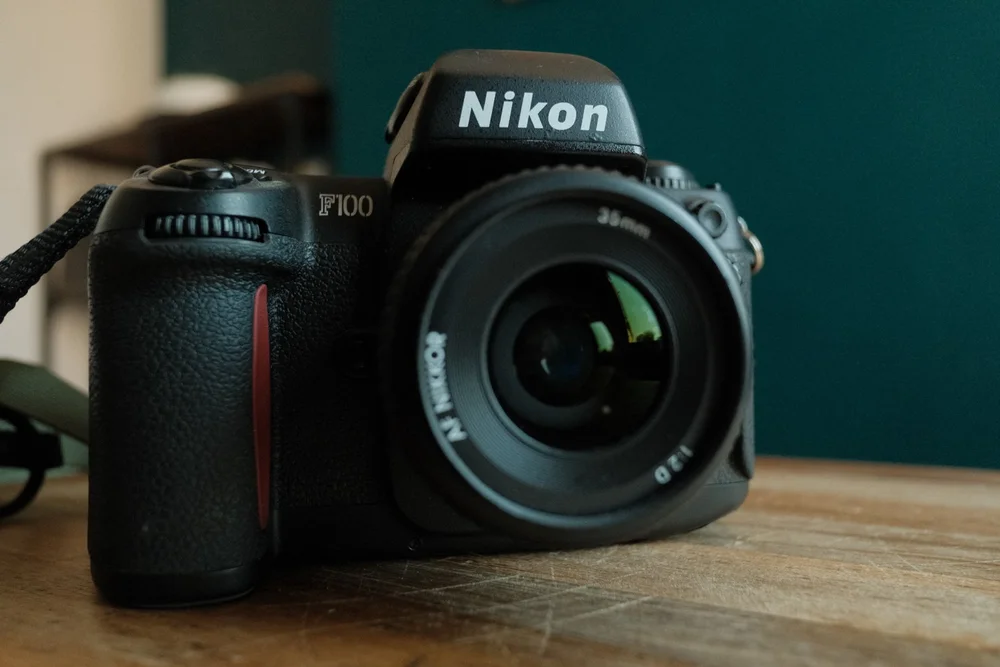
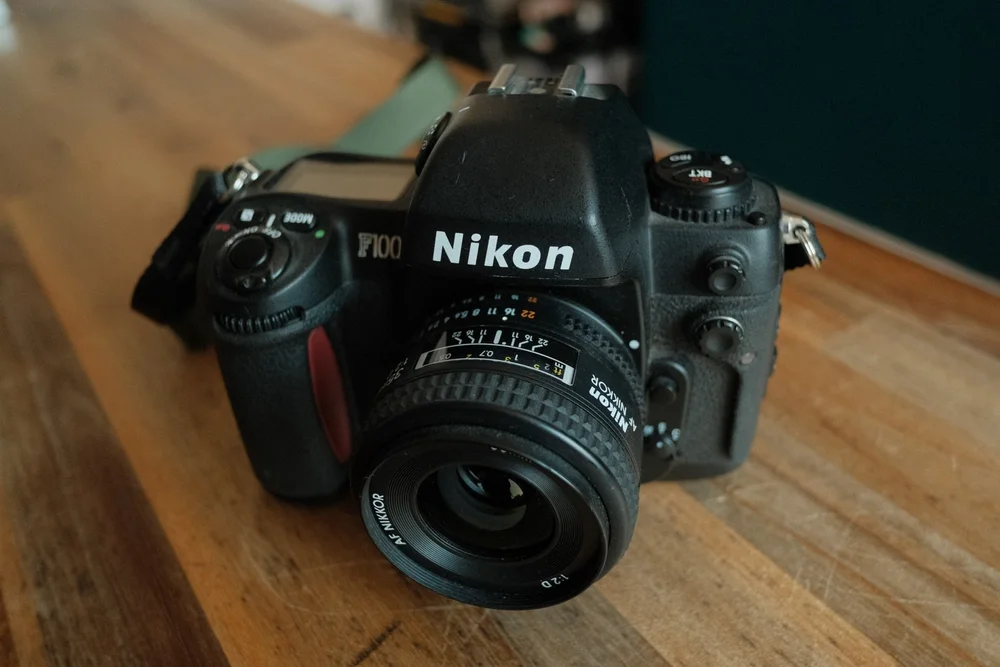
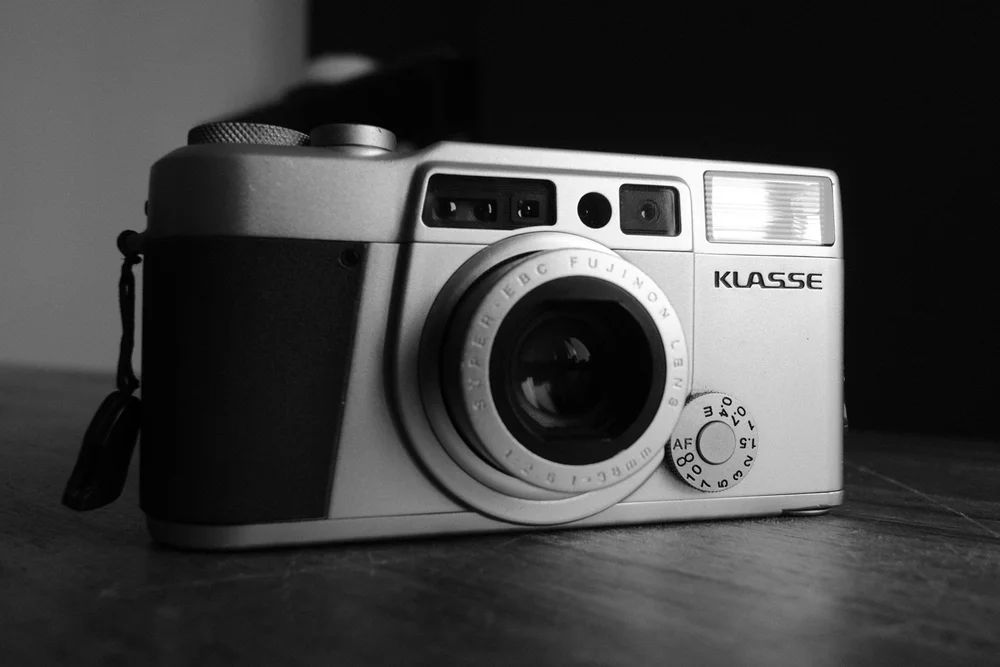
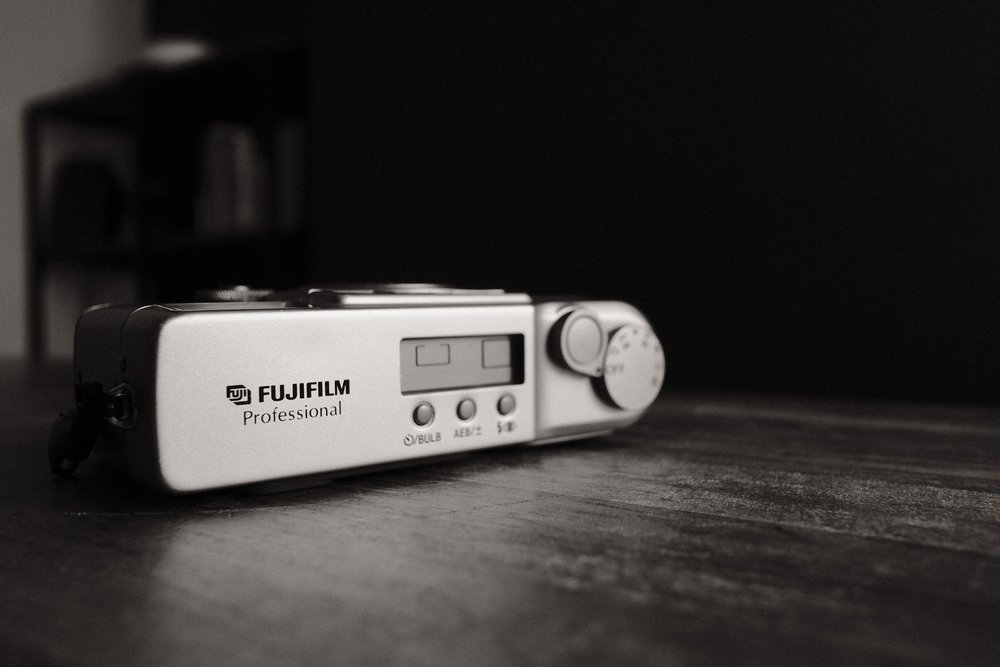
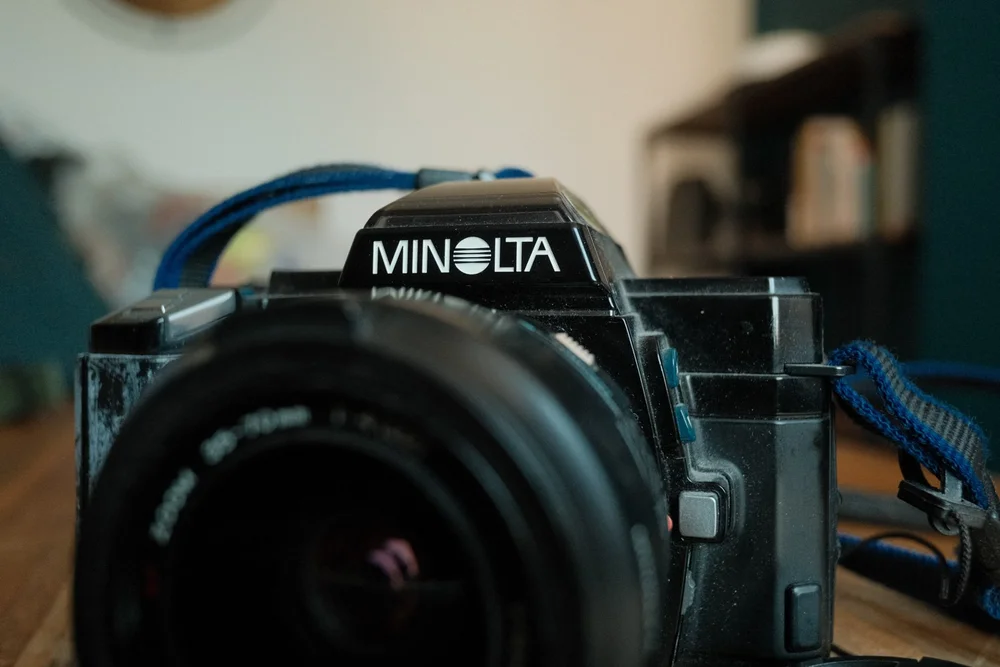
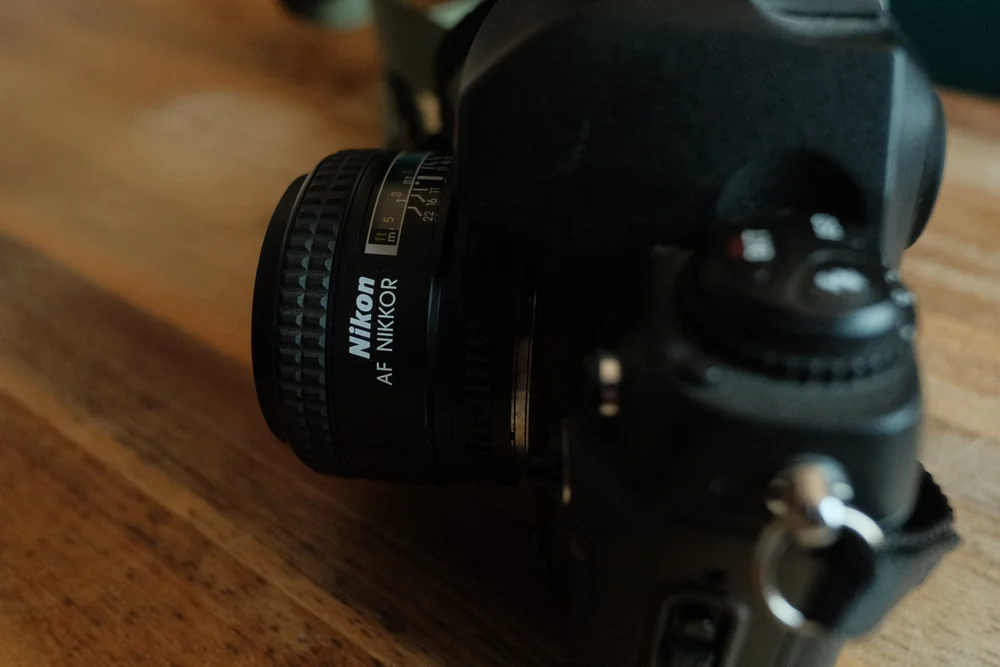
A Nikon F100 with a 50mm lens does most of the work — it is fast, quiet, entirely mechanical where it matters, and it focuses in light a digital body would hesitate in. Alongside it I carry a Fujifilm Klasse and a Minolta compact for the parts of the day where a smaller camera gets closer than a bigger one ever could.
The film
Two stocks, chosen for weddings
Colour
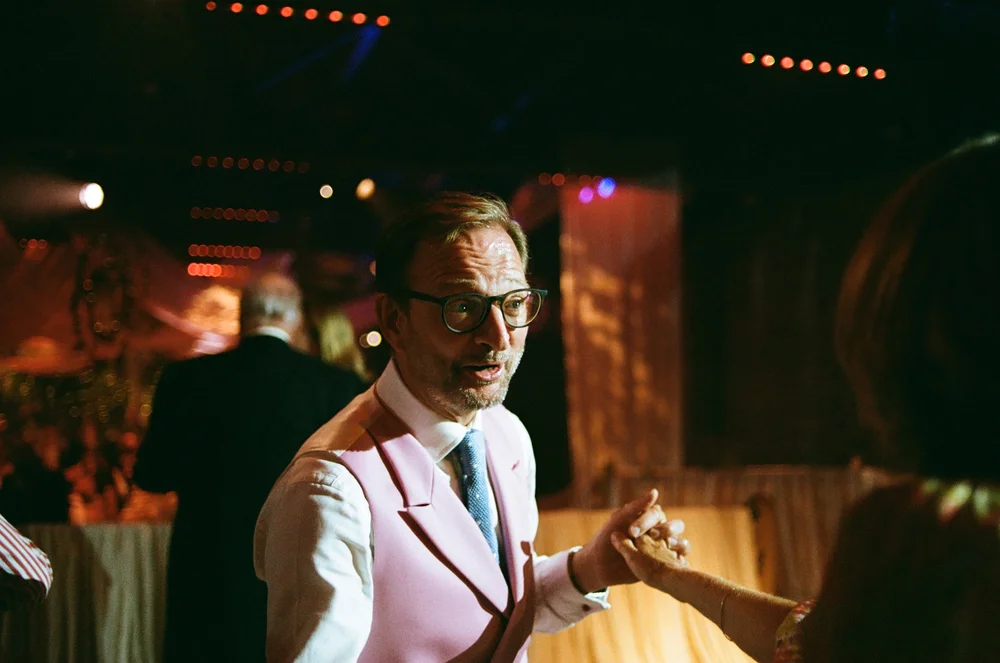
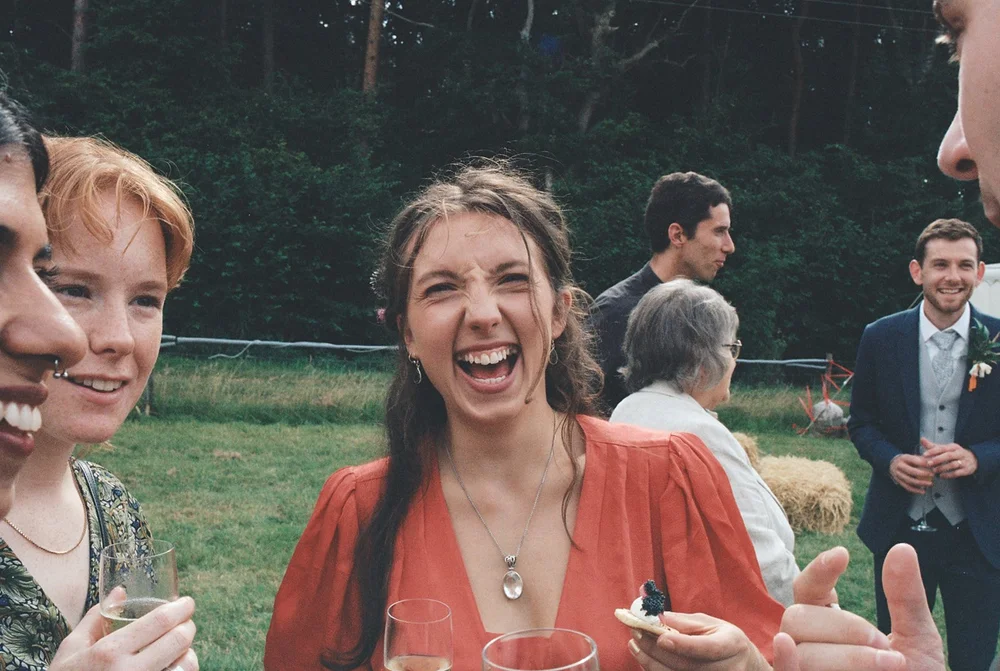
Kodak Portra 400
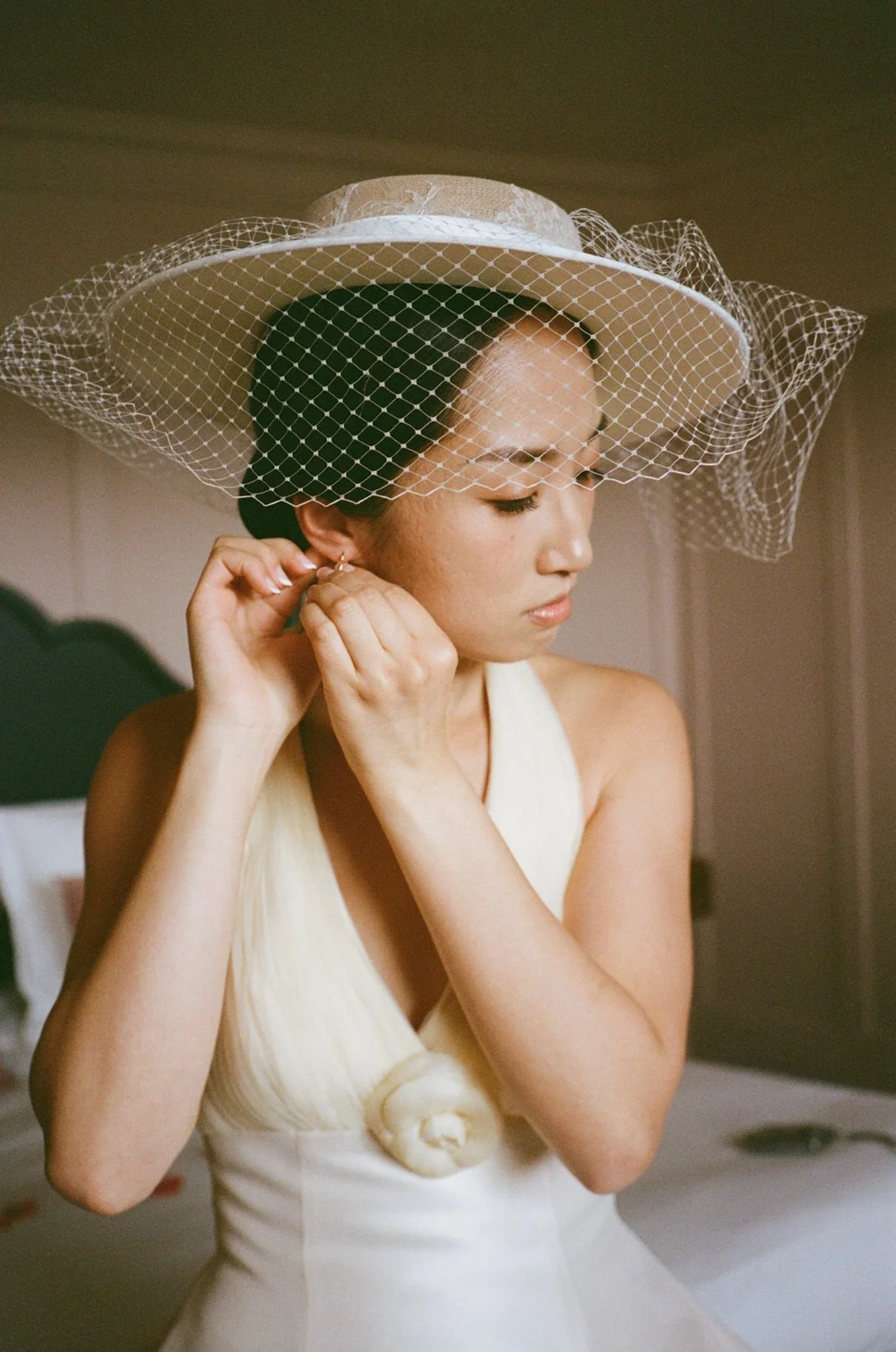
The reason film looks like film at a wedding. Portra holds skin tones beautifully across every complexion, forgives light that would trouble a sensor, and renders warm without ever tipping orange. It is the most forgiving colour film ever made, which is exactly what you want on a day that will not stop and wait for you.
Black and white
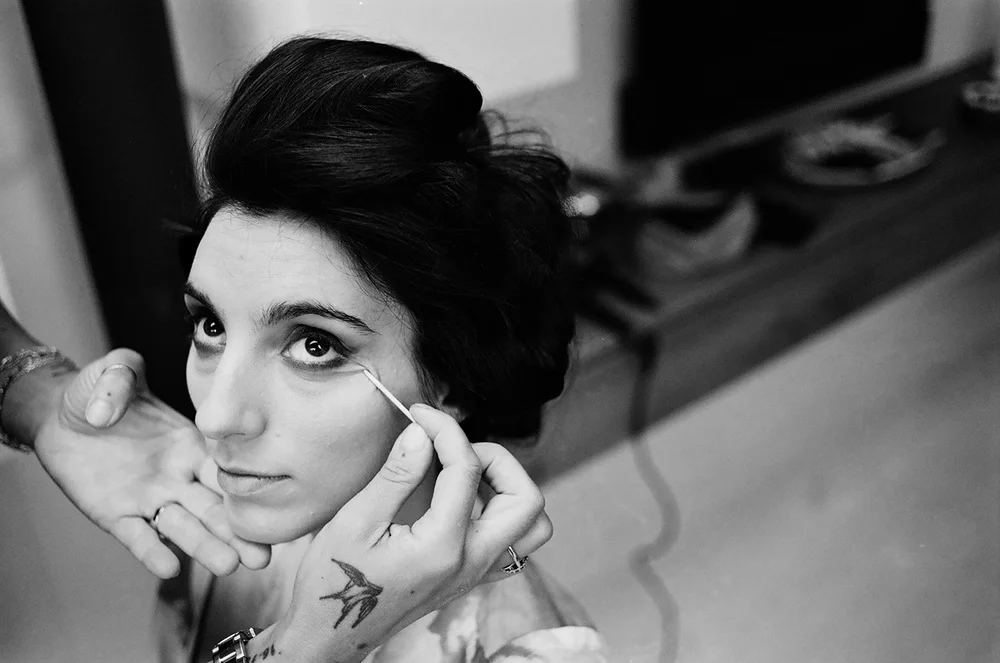
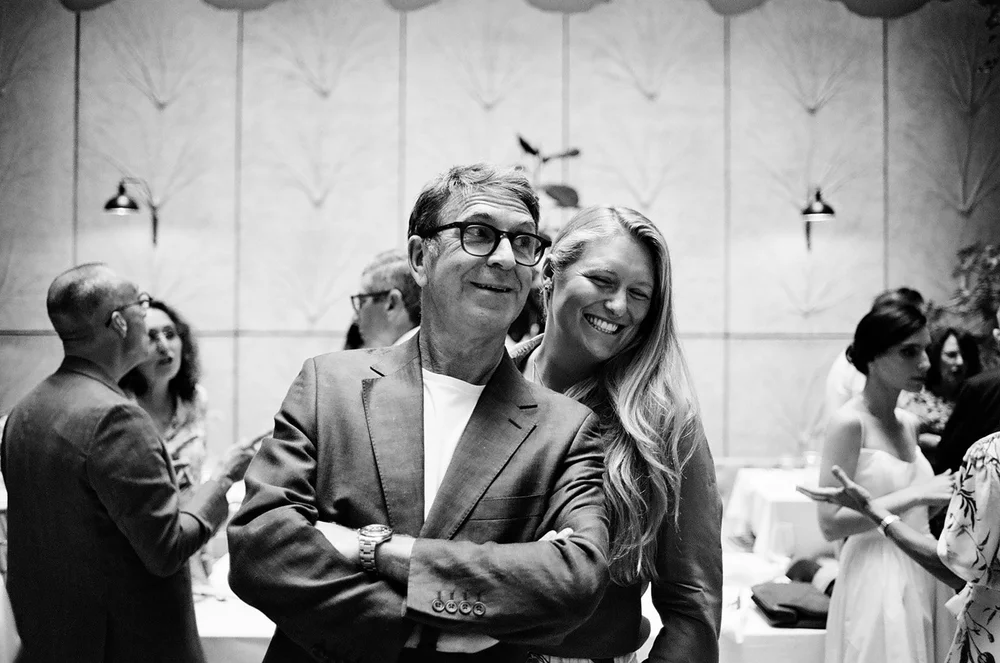
Fujifilm Neopan Acros 100 II & Ilford Delta
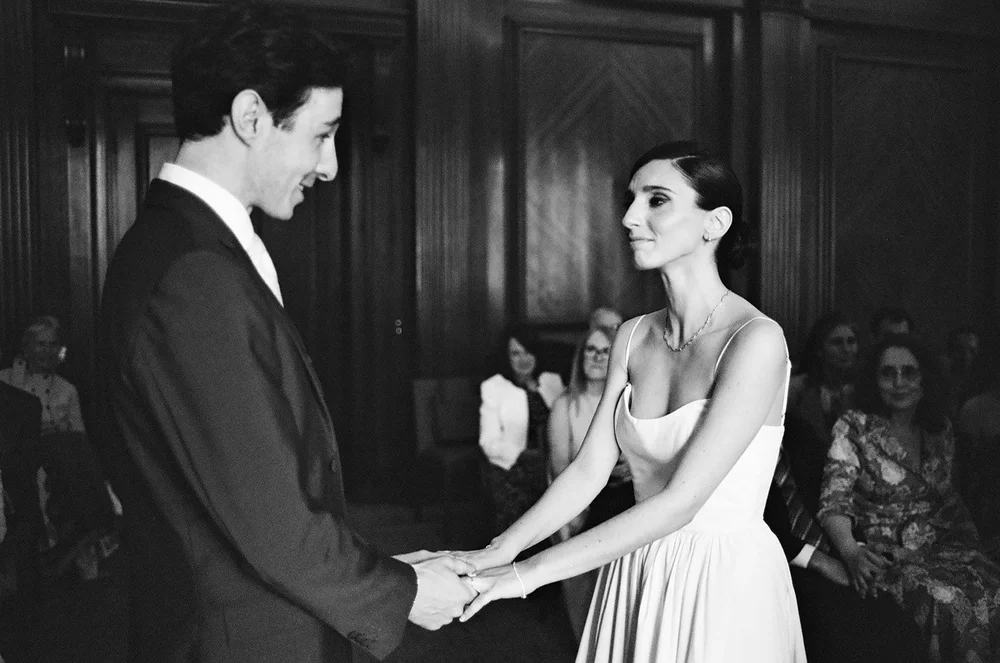
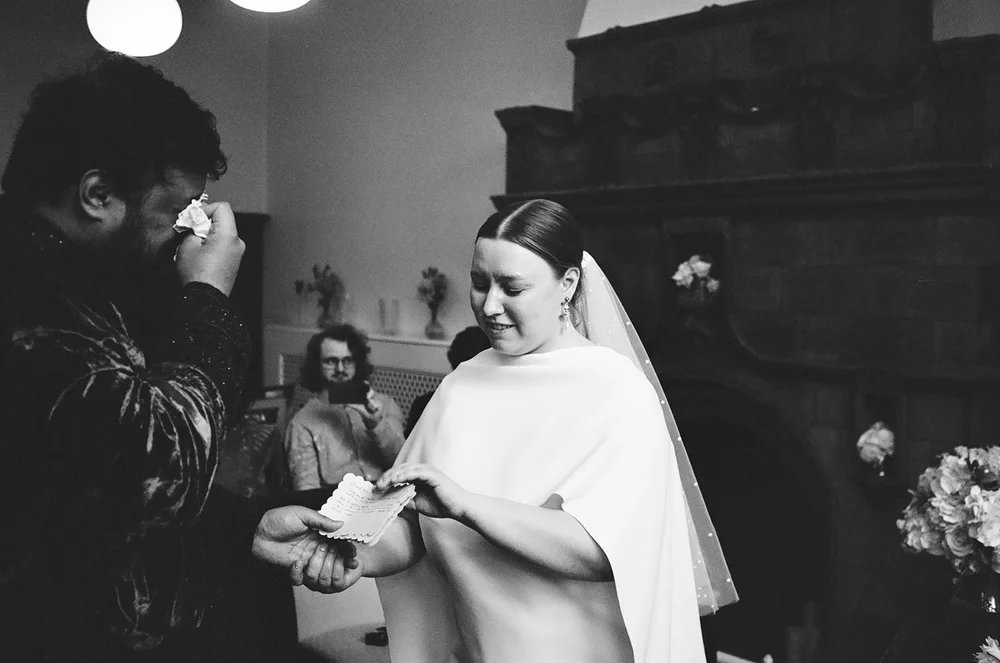
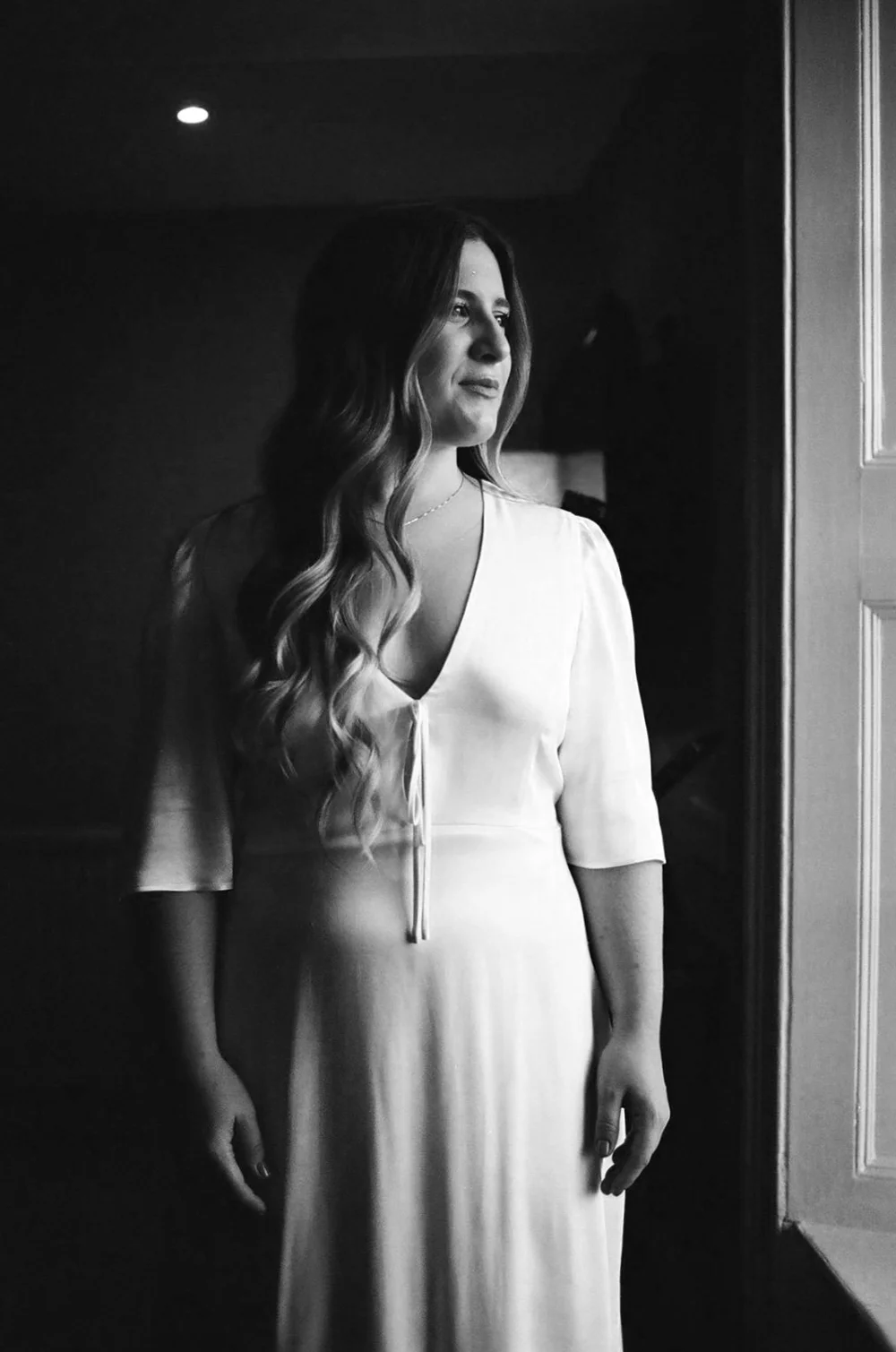
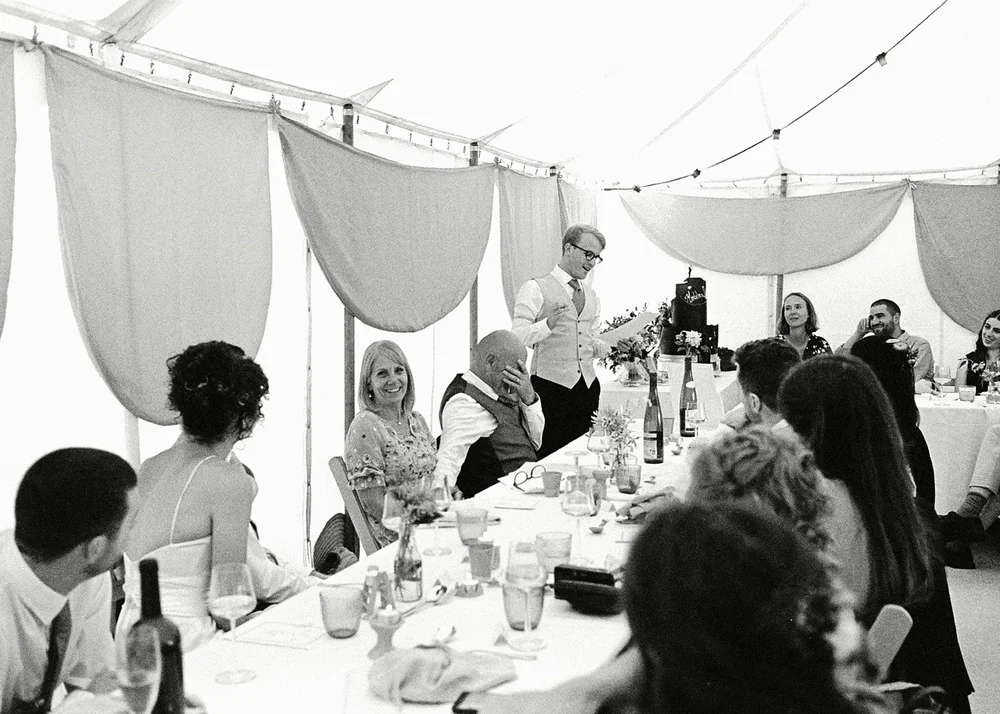
The finest grained black and white film available, and extraordinary in window light. It is the stock I reach for during the quiet parts of a morning and for the speeches, where the tonal range does something to a room full of faces that digital monochrome conversions never quite manage. When a room is darker than Acros can handle, Ilford Delta takes over.
Where I shoot film
London, Bristol and anywhere the light is good
London venues suit film unusually well. The register offices give you tall windows and high, soft daylight; the private houses give you lamps, candles and warm interiors. Both are conditions Portra was designed for. I photograph weddings in the city most months of the year and there is a full guide to how I cover them on the London wedding photography page.
In Bristol it is the converted churches and warehouse spaces that reward film most — the vaulted nave at the Mount Without in particular. There is a full set of venue guides covering the buildings I know best, and a longer piece on why I still shoot 35mm film at weddings if you want the whole argument.
How it works
Adding film to your wedding
You book a wedding photography package as normal and add however many rolls of film you would like shot across the day at £125 a roll. Two to five is typical, which works out at roughly 60 to 150 film images alongside the full digital gallery.
The film goes to a professional lab as soon as I am home from your wedding, and comes back developed and scanned at high resolution within two to three weeks. It is delivered with your main gallery, so everything arrives together within four to six weeks of the day. Preview images from the digital cameras still land in your inbox the morning after the wedding.
Small weddings suit film especially well, because there is more time to work slowly — there is more on that on the micro weddings page.
Common questions
Film wedding photography FAQs
No, and I would talk you out of it if you asked. Film is an add-on to a digital wedding day, not a replacement for one. You get the full digital gallery of 400 to 600 images as normal, and the film frames sit alongside it as a separate, smaller set with a completely different feel. Shooting a whole wedding on film means no second chances at the moments that matter, and no wedding photographer should be taking that risk with your day.
It is £125 per roll, added to any of my wedding photography packages. That covers the film itself, professional development and high resolution scanning, and each roll gives you 36 exposures. Most couples add two to five rolls. There is no minimum and nothing else to pay.
Kodak Portra 400 for colour, and Fujifilm Neopan Acros 100 II or Ilford Delta for black and white. Portra is the reason film looks like film at a wedding — it holds skin tones beautifully, it is forgiving of tricky light, and it renders warm without going orange. Acros is the finest grained black and white film available and it is extraordinary in window light; Delta is the faster option when the room is darker.
Each roll of 35mm film holds 36 frames, and realistically around 30 of those will be worth keeping. Most couples choose between two and five rolls across the day, which gives roughly 60 to 150 film images alongside the full digital gallery.
The film goes to a professional lab for development and scanning as soon as I am back from your wedding, and the scans come back to me within two to three weeks. They are delivered with your main gallery, so you have everything within four to six weeks of the day.
Yes. I am based in Bristol and photograph weddings in London most months of the year, including at Brunswick House, The Ned, Old Marylebone Town Hall and Chelsea Old Town Hall. London venues suit film particularly well — the tall windows in the register offices and the warm, low light in the private houses are exactly the conditions Portra was designed for.
Nothing that matters is lost. Every film frame I take is a moment I have also covered digitally, so a failed roll costs you the film version of a photograph, never the photograph itself. That is the entire reason I shoot film as an addition rather than as the main record of the day.
Let’s talk
Thinking about film for your wedding?
Tell me your date and venue and I will let you know what film would add to your day, and what it costs. No obligation, no hard sell.